
Airline routes funnel North American travelers toward Punta Cana as if it were the entire Dominican Republic. That works for a self-contained resort week, but backfires if you expect walkable towns, calm swimming with less seaweed, or mountain scenery.
Each coast has a different sea, road network, and airport: Bayahibe faces the sheltered Caribbean Sea, Puerto Plata sees Atlantic swell, Samaná trades nonstop convenience for quiet coves, and Santo Domingo is a historic capital rather than a beach base. Pick your coast first, or map your whole route via our Dominican Republic trip planning hub.
Quick Answer: Which Dominican Republic Region Fits You?
Choose one coast first, then check which airport serves it directly. Under ten nights, stick to one zone instead of crossing mountain highways mid-trip.
- Punta Cana (PUJ) → First-time all-inclusive stays, nonstop flights, and minimal logistics
- Bayahibe & La Romana (LRM, PUJ, or SDQ) → Calm Caribbean water, lower seaweed risk, diving, and Saona Island
- Puerto Plata & Cabarete (POP) → Lower hotel rates, kitesurfing, waterfalls, and walkable beach towns
- Samaná (AZS or SDQ) → Quiet coves, green hills, and winter whales if you tolerate longer drives
- Santo Domingo (SDQ) → Cultural 1–2 night Colonial Zone stopover, not a beach base
Why Your Arrival Airport Decides Half the Trip
On a map, the island looks compact enough to cross before lunch. In reality, mountain ranges, Santo Domingo traffic, and two-lane coastal stretches turn wrong-airport transfers into half-day hauls.
Per Dominican Republic Tourism, the country operates eight international airports. Five handle most coastal and capital trips: Punta Cana (PUJ) in the east, La Romana (LRM) beside Bayahibe, Las Américas (SDQ) near Santo Domingo, Gregorio Luperón (POP) on the north coast, and El Catey (AZS) near Samaná (with Santiago’s STI serving the central valley).
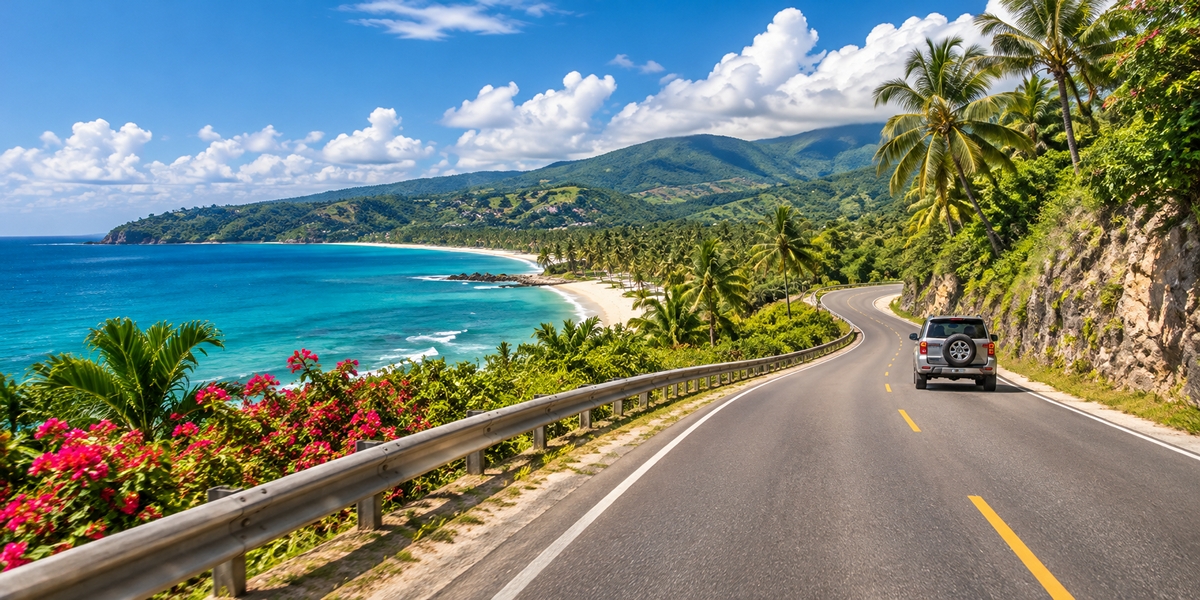
Four Beach Regions by Vacation Style
Each coast sets a different daily rhythm. Use these snapshots to eliminate mismatches early.
Punta Cana
→ Mega-resorts with 15–45 minute transfers and nonstop flights, but minimal town life outside gates. Standout: Effortless all-inclusive week.
Bayahibe & La Romana
→ Sheltered turquoise bays with lower sargassum than Punta Cana, quiet villages, and reefs. Standout: Calm swimming and Saona boats.
Puerto Plata & Cabarete
→ Breezy Atlantic sand, surf towns, cable cars, and walkable dining at friendlier nightly rates. Standout: Active value outside resorts.
Samaná (Las Terrenas & Las Galeras)
→ Palm hills, boutique stays, waterfalls, and winter whales, traded against fewer flights and slower roads. Standout: Scenic off-resort coves.
Punta Cana: Easiest Logistics, Pure Resort Bubble
Punta Cana is a 30-mile string of gated beachfront resorts from Cap Cana through Bávaro to Uvero Alto—not a walkable town. Once checked in, most guests stay on property.
Frequent nonstop flights land at PUJ, and PUJ airport transfers take 15 to 45 minutes. Atlantic-facing beaches see winter chop at Macao and Uvero Alto plus summer sargassum. Check our first-timer Punta Cana guide and Punta Cana area breakdown before choosing a zone, then run your shortlist through our Punta Cana hotel booking checklist (or explore romantic Cap Cana hotels for couples).
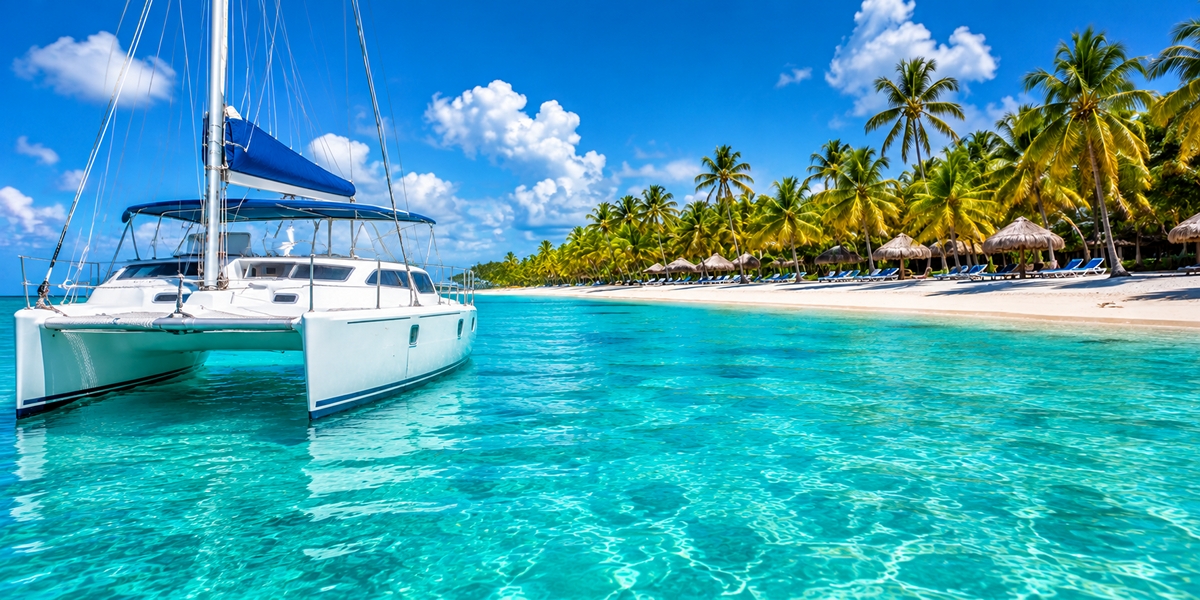
Bayahibe & La Romana: The Calm Caribbean Alternative
Bayahibe and Dominicus face the calm Caribbean Sea rather than Atlantic swells, giving families easy shoreline entry. Saona Island helps deflect seaweed, keeping sargassum lower than Punta Cana—though heavy bloom years (including 2026) can still reach southeast shores.
Bayahibe stays a walkable dive harbor and Saona boat launch (skipping Punta Cana’s 60–90 minute bus leg). Next door, La Romana pairs gated Casa de Campo and Altos de Chavón with a port town. Access: LRM (~20 min), PUJ (75–105 min), or SDQ (~1.5 hr). For Dominicus, Casa de Campo, and LRM vs. PUJ transfer math, see our Bayahibe and La Romana travel guide.
Puerto Plata & the North Coast: Mountains, Surf, and Lower Costs
Around POP, green hills meet golden sand, Victorian architecture anchors central Puerto Plata, and Atlantic surf replaces calm lagoons across three bases within 40 minutes:
- Playa Dorada & Costa Dorada: Budget-friendly gated resorts near Mount Isabel de Torres and Damajagua waterfalls.
- Sosúa: Calm morning cove snorkeling with nightlife poorly suited to families.
- Cabarete: Breezy kitesurfing town packed with cafes, condos, and independent dining.
Winter swells and trade winds (Dec–Mar) run stronger here than on the south coast. For flat swimming water, choose Bayahibe. Compare Playa Dorada, Sosúa, and Cabarete side by side in our Puerto Plata and the North Coast guide.
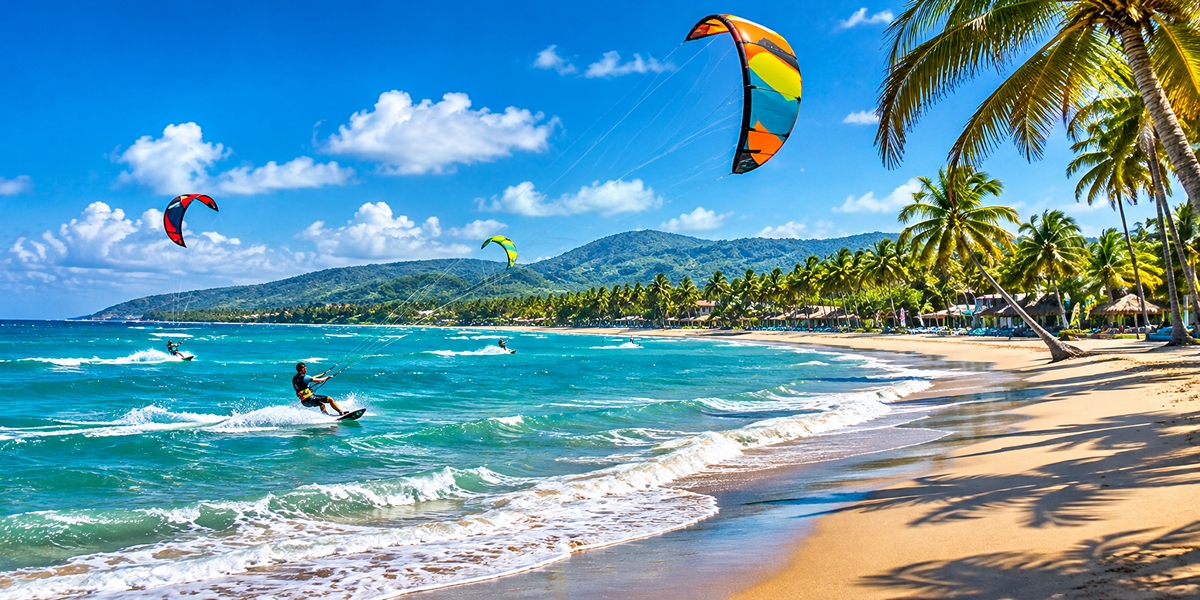
Samaná Peninsula: Lush Coves, Whales, and Slower Roads
Samaná swaps mega-resorts for palm hills and quiet bays—splitting between lively Las Terrenas and quiet Las Galeras near Playa Rincón.
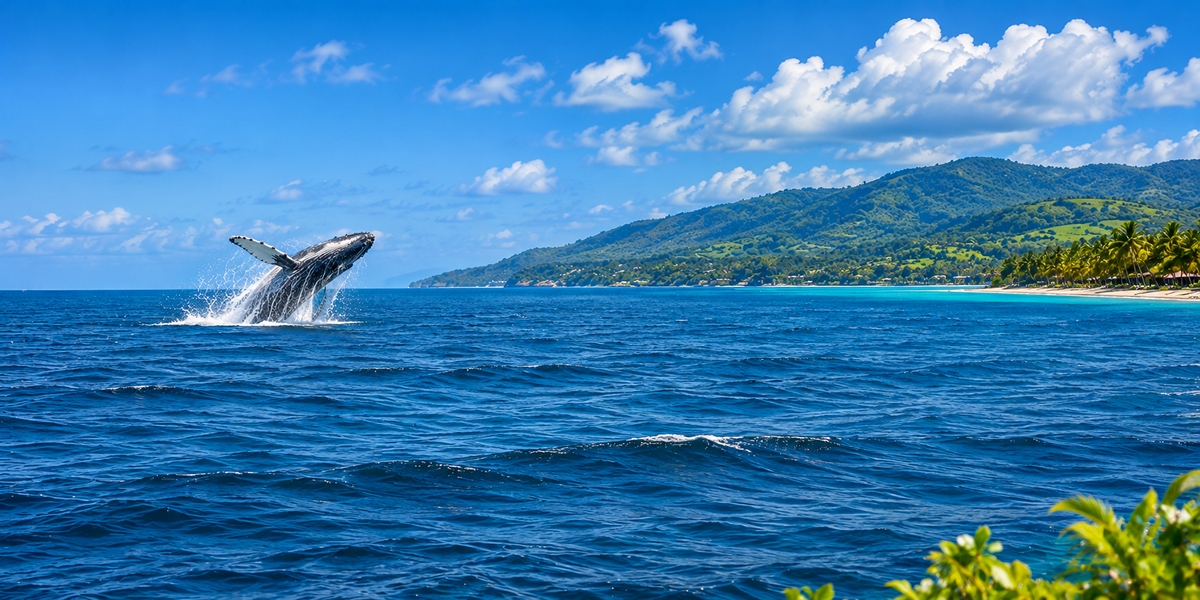
Samaná Bay whale watching runs on an annual Ministry of Environment window, usually January 15 to March 31 (verify yearly dates). Separate from Samaná Bay day boats, the offshore Silver Bank (Banco de la Plata) sanctuary well north of the Dominican coast is a strictly permitted marine reserve visited on multi-day liveaboard trips (typically staged from Puerto Plata between January and April), not a regular half-day hotel excursion.
AZS sits 25–40 minutes from Las Terrenas on thin flight schedules; SDQ runs 2–2.5 hours via toll highway. Checking our Mexico vs Punta Cana guide? Samaná feels closest to small Riviera Maya towns minus the ruins.
Dominican Republic Region Comparison Matrix
Narrow your shortlist to one primary coast and airport before searching hotels.
| Region | Coast & Sea | Best Airport & Drive | Sargassum Risk | Typical Stay / Night | Best For / Avoid If |
|---|---|---|---|---|---|
| Punta Cana | East coast; clear to wavy Atlantic-side | PUJ (15–45 min) | Medium–High (summer) | $220–$550+ (AI) | Best: First-timers, families, AI. Avoid if: You want walkable towns. |
| Bayahibe & La Romana | Caribbean Sea; very calm | LRM (20 min) / PUJ (1.25–1.75 hr) / SDQ (1.5 hr) | Low–Medium (year-dependent) | $160–$450+ | Best: Calm swimming, Saona, diving. Avoid if: You need nonstop nightlife. |
| Puerto Plata & Cabarete | North Atlantic; waves & wind | POP (15–45 min) | Very Low | $80–$250 | Best: Value, surfing, adventure. Avoid if: You want glass-flat water. |
| Samaná Peninsula | Northeast bays; varied coves | AZS (25–60 min) / SDQ (2–2.5 hr) | Low–Medium (east tip) | $110–$320 | Best: Nature, whales (mid-Jan–Mar), quiet. Avoid if: You hate long transfers. |
| Santo Domingo | Capital city; no beach base | SDQ (30–45 min) | N/A (Urban) | $90–$260 | Best: History, dining (1–2 nights). Avoid if: You want a beach week. |
When to Go by Region: Weather, Sea, Seaweed & Excursions
No single season fits every coast. Per NOAA National Hurricane Center climatology, the Atlantic hurricane season runs June 1–November 30 (peaking roughly August–October with peak humidity, tropical downpours, and discounted rates), while winter swells, seasonal sargassum blooms, and whale windows differ by shore:
- Punta Cana: Best Dec–Apr (dry season); sargassum typically peaks May–Sep, while northern Macao/Uvero Alto see brisker winter surf.
- Bayahibe & La Romana: Best Dec–Apr for low rain and calm Caribbean seas (May is a warm shoulder month; summer water often stays calmer than Punta Cana, though Jun–Nov still carries storm and shower risk).
- Puerto Plata & Cabarete: Larger Atlantic swells and coastal showers hit Dec–Mar; May–Sep brings flatter mornings, minimal seaweed, and strong kitesurfing wind.
- Samaná Peninsula: Feb–Apr pairs drier skies with low seaweed and lush waterfalls; mid-Jan–Mar adds Samaná Bay whales (verify yearly dates), while Aug–Oct turns wetter.
- Santo Domingo: Best walking weather Dec–Apr; summer afternoons stay hot and humid.
Budget & Transfer Reality: Total Trip Math
Nightly rates tell half the story. Your coast decides whether meals are bundled and whether a cheap fare vanishes on transfers.
- Meals, drinks, and beach loungers included
- PUJ private van: ~$35–$75 Punta Cana, ~$110–$160 Bayahibe
- Excursions ($75–$140/person) are the main extra spend
- Dining out: $12–$25 local meals, $35–$70 beachfront dinners
- Car rental (~$40–$70/day) or taxis add flexibility
- Transfers spike if direct POP or AZS flights sell out
Worked transfer example: Two travelers save $130 per person ($260 total) flying into PUJ for Las Terrenas (Samaná). That adds an estimated 4–4.5 hour drive each way (~8–9 hours round-trip, never guaranteed in traffic or rain) plus ~$220–$260 one-way ($400–$500 round-trip) for a private van. Paying slightly more for SDQ (2–2.5 hr) or AZS saves money and nearly two beach days.
Four Region Mistakes That Ruin Dominican Trips
Bad trips usually come from mismatched geography rather than hotel quality.
Chasing a cheap PUJ fare for the north. Long highway vans eat arrival/departure days and erase flight savings.
Expecting walkable towns in Punta Cana. Resorts sit behind gates; pick Las Terrenas, Cabarete, or Bayahibe for cafes.
Ignoring winter Atlantic surf. North coast and Uvero Alto see brisk December–March swells; toddlers swim easier in Bayahibe.
Cramming three coasts into six nights. Stick to one coast, or pair Santo Domingo only with Bayahibe or Samaná.
Still deciding whether the Dominican Republic beats Jamaica, Aruba, or the Bahamas for your dates? Step back to our Caribbean island comparison guide.
Sources Checked
Sources reviewed: Dominican Republic Tourism’s eight-airport and route guidance, Ministry of Environment Samaná whale seasons, NOAA hurricane climatology, USF satellite sargassum tracking, and the U.S. State Department Level 2 advisory (exercise increased caution, avoid unmarked taxis, keep valuables understated). Checked November 12, 2026; recheck annual whale dates and sargassum bulletins before booking.
Frequently Asked Questions
Is Punta Cana or Bayahibe better for calm water and less seaweed?
Bayahibe is usually safer for calm water and lower seaweed exposure. It faces the Caribbean Sea where Saona Island helps deflect Atlantic sargassum, though heavy bloom years still bring patches onshore. Punta Cana faces open Atlantic-side swells and heavier summer seaweed, but wins on nonstop flights, 15 to 45 minute PUJ transfers, and mega-resort choice.
Should you fly into Punta Cana if you want to visit Puerto Plata or Samaná?
Generally no on a five to seven night trip. Estimated drives from PUJ run roughly 4 to 4.5 hours to Las Terrenas and 5 to 6 hours to Puerto Plata (DR Tourism notes up to 7 hours), varying with traffic and weather. Fly into POP for Puerto Plata/Cabarete, or AZS or SDQ (roughly 2 to 2.5 hours via toll highway) for Samaná.
Is Puerto Plata cheaper than Punta Cana?
Often yes for independent hotels, surf-town stays, and mid-range lodging, since the north coast relies less on mega-resorts. However, pricier flights into POP or long cross-island transfers from PUJ quickly erase that savings.
Is Samaná worth the extra travel time compared to Punta Cana?
Yes if you prioritize green hills, quiet coves, waterfalls, or Samaná Bay's humpback whale window (usually January 15 to March 31, confirmed yearly by the Ministry of Environment). If you want big resort dining and quick airport transfers, choose Punta Cana or Bayahibe.
Can you stay in Santo Domingo for a beach vacation?
No. Santo Domingo is a historic capital built around the Colonial Zone and dining, not a resort beach base. Use it as a one or two night stop before Bayahibe, Punta Cana, or Samaná.
Four-Step Region Lock Before Booking
Lock coast and airport first, hotel second.
Choose Punta Cana for nonstop flights and mega-resort variety; choose Bayahibe for calmer Caribbean water and lower seaweed risk. Pick Puerto Plata or Cabarete for lower rates and active surf towns, or drive to Samaná for green hills and quiet bays. Keep Santo Domingo as a 1–2 night cultural stop.