
Package sites routinely file Bayahibe and La Romana under the same destination tag, which is how a lot of first-time travelers end up surprised on arrival. Within twenty minutes of the same highway exit you have a compact fishing village packed with dive boats, a Blue Flag stretch of mid-sized all-inclusives, a 7,000-acre gated golf-cart estate, and a working port city that rarely draws beachgoers.
Usually, people look south of Punta Cana because of the water. Punta Cana faces straight into the Atlantic trade winds, bringing livelier surf on breezy weeks and heavier spring-to-autumn sargassum. Round the southeastern corner onto the Caribbean side and the sea settles down noticeably — though you give up short PUJ transfers and late-night resort strips to get it. If you are still comparing coasts across the whole country, start with our Dominican Republic regional comparison.
Quick Answer: Should You Base in Bayahibe or La Romana?
This coast makes sense when calm swimming water, diving or snorkeling, and quieter evenings matter more than mega-resort nightlife. Before looking at hotel photos, separate the four distinct pockets:
- Dominicus Americanus — beachfront all-inclusives on calm Blue Flag water with a small walkable café lane; quiet after 10:30 p.m.
- Bayahibe Village — independent hotels, dive shops and Saona Island boats around a compact harbor; busy pier in the morning
- Casa de Campo — gated luxury villas, Pete Dye golf, private Minitas Beach and golf-cart roads; steep daily spend
- La Romana City — provincial port and sugar-mill town without a resort beach; mainly useful for cruise boarding or supplies
- Look elsewhere if — you want club strips, sprawling water-park mega-resorts or a 15-minute ride from PUJ
Why the Water Here Feels Different From Punta Cana
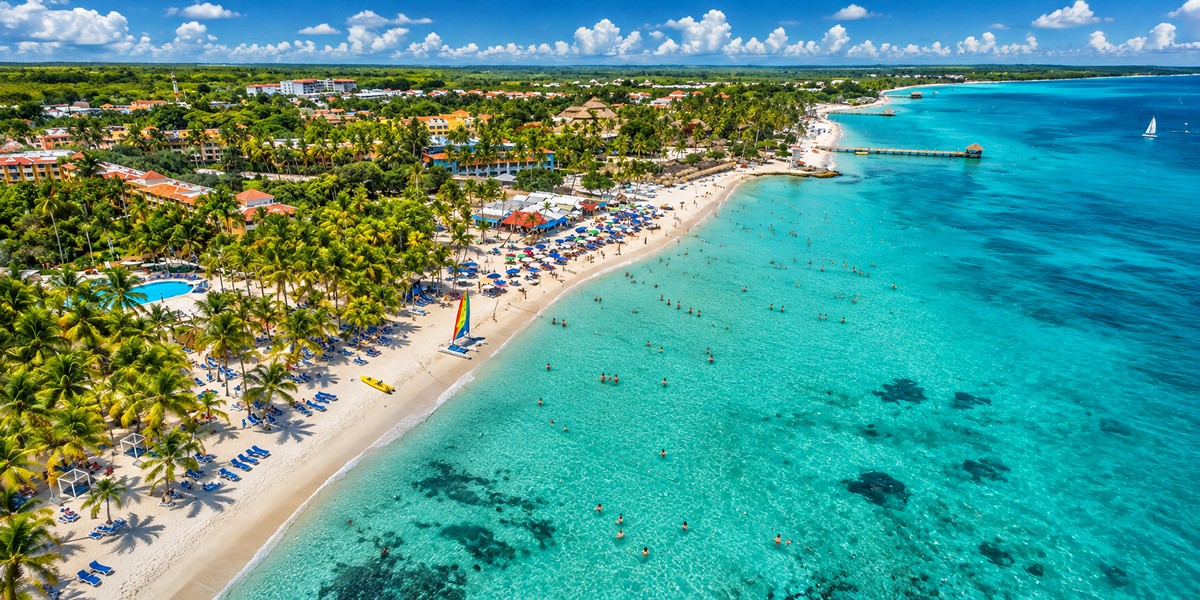
Most of what separates Bayahibe from Punta Cana comes down to which way the shoreline faces. Bavaro and Uvero Alto look east into open Atlantic swell and trade winds, which build chop in winter and funnel floating sargassum mats onshore from April into September. Bayahibe and Dominicus sit tucked around Hispaniola's southeastern corner, facing south-southwest onto the Caribbean Sea with Saona Island shielding much of the easterly fetch. Swimming feels noticeably gentler — and unlike Punta Cana, the sun sets over the water.
One detail catches even frequent Caribbean visitors off guard: Playa Dominicus was the first beach in the Caribbean to earn international Blue Flag certification for water quality and coastal management, holding the distinction since 2003. Still, sheltered does not mean seaweed-proof. Satellite outlooks from the USF Sargassum Watch System show that heavy regional bloom years still push light ribbons around the headland on southeast winds, even though deposits remain far lighter than in Bavaro and Dominicus resorts rake before breakfast.
There is one quiet catch to the calm harbor: Bayahibe's village beach sits right next to the main Saona excursion dock. Between roughly 8:30 and 10:30 a.m. — and again around 4:00 p.m. — catamarans, speedboats and engine fumes crowd the water near the pier. Travelers who want open swimming straight outside their room usually do better ten minutes east along Playa Dominicus.
The Four Bases Hiding Under "Bayahibe & La Romana"
On a map these four spots sit close enough to blur together; once you unpack, each creates a very different week:
Dominicus Americanus
A beachfront stretch 10 minutes east of Bayahibe Village lined with mid-sized all-inclusives (Iberostar, Dreams, Viva, Catalonia) and a small pedestrian lane of Italian cafes, dive shops and pharmacies right outside the gates. Key draw: Calm Blue Flag swimming without massive mega-resort scale.
Bayahibe Village
A compact harbor town of boutique hotels, guesthouses, dive centers and waterfront seafood spots around the Saona pier. You can walk everywhere in ten minutes, though morning boat boarding crowds the sand. Why people pick it: Walkable village life and direct dive-boat departures.
Casa de Campo
A 7,000-acre gated community outside La Romana with Pete Dye golf, a yacht marina, private Minitas Beach, Altos de Chavón and touring golf carts. Leaving nightly means deliberate gate logistics. Main appeal: Self-contained villa privacy and championship golf.
La Romana City
The provincial capital built around the Central Romana sugar mill and a busy cruise terminal. Useful for supermarkets and port embarkation, yet it has no resort swimming beach downtown. Practical role: Cruise dock, supplies and LRM transit rather than beach stays.
Bayahibe vs Dominicus vs Casa de Campo: Decision Matrix
Pricing note & methodology: Nightly and daily ranges below were cross-checked in November 2026 across direct resort websites, major booking platforms and local Bayahibe transfer/boat rate sheets for upcoming winter high-season dates (December 2026–April 2027, excluding Christmas, New Year and Easter peaks). Shoulder and summer dates (May–October) typically run 20% to 35% lower. Dominicus AI rates reflect double occupancy with meals, drinks and taxes included (before tips/tours); Bayahibe Village and Casa de Campo reflect European Plan (EP) lodging, with restaurant bills, taxis and mandatory resort/villa fees added into daily spend.
| Factor | Dominicus Americanus | Bayahibe Village | Casa de Campo | La Romana City |
|---|---|---|---|---|
| Room rate/night | $240–$480 (AI, 2 adults) | $75–$160 (EP boutique) | $550–$1,200+ (EP / villa) | $60–$110 (city hotel) |
| Typical spend/day | $280–$540 (AI + tips) | $170–$310 (room + food + boat) | $800–$1,600+ (dining, golf, fees) | $110–$190 (room + meals/taxis) |
| Beach & swimming | Calm Blue Flag | Calm, busy pier | Private cove (Minitas) | No resort beach |
| Sargassum risk | Low–Medium (raked daily) | Low (harbor-facing) | Low (sheltered cove) | Not applicable |
| Transfer PUJ / LRM | 50–60 min / 20 min | 45–55 min / 18–20 min | 50–60 min / 10–15 min | 55–65 min / 10–15 min |
| Evening pace | Resort shows + 1 small strip | Quiet harbor dinners | Marina bars & Altos dining | Local city; not tourist-walkable |
| Suited to | Calm-water AI couples & families | Divers & Saona-first trips | Golfers & luxury villa groups | Pre-cruise overnight |
| Skip if | You want loud nightlife | You want big resort pools | You resent extra resort fees | You came for the beach |
Saona Island, Catalina and the Country's Top Diving
Day-trippers staying in Punta Cana spend roughly three hours on a coach bus round-trip just to reach the Saona docks in Bayahibe. Staying locally cuts that ride down to a five-minute hop. You board before the Punta Cana buses roll in around 9:30 a.m. and reach Palmilla and Saona in 40 to 45 minutes — making it much easier to choose a small-group speedboat over 100-person party catamarans, or head to Catalina Island for healthier reef snorkeling.
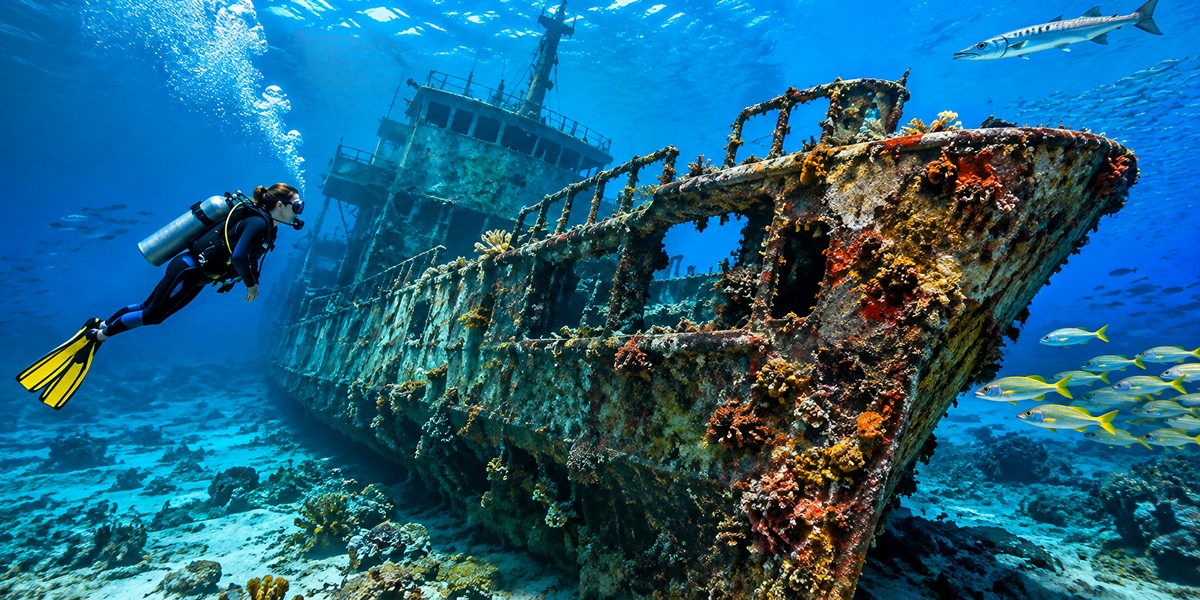
Once you get past the beach itself, the real draw sits a short boat ride offshore. Protected waters inside Cotubanamá National Park (La Romana–Bayahibe) put calm 10-to-35-minute dives right off the harbor:
- The St. George Wreck — 73-meter cargo freighter sunk in 1999 in 15 to 40 meters of water; best for Advanced Open Water divers chasing barracudas, groupers and swim-throughs.
- The Atlantic Princess Wreck — 30-meter vessel sunk in 2009 in 10 to 12 meters of calm water; easy Open Water dive often paired as a second tank.
- Catalina Island (La Pared & The Aquarium) — dramatic sponge-covered drop-off paired with a shallow reef garden that works for divers and snorkelers on the same boat.
- Padre Nuestro & Cueva de Chicho — shaded limestone trails and freshwater cavern springs inside Cotubanamá just outside town for a two-hour break from salt water.
Book dive boats and small-group Saona departures 1 to 2 weeks ahead from December through March. Bayahibe's strong Italian and French resident community also shows up in Dominicus's small pedestrian lane, where bakeries and trattorias consistently punch above standard resort-strip food.
Casa de Campo and Altos de Chavón: Access Rules
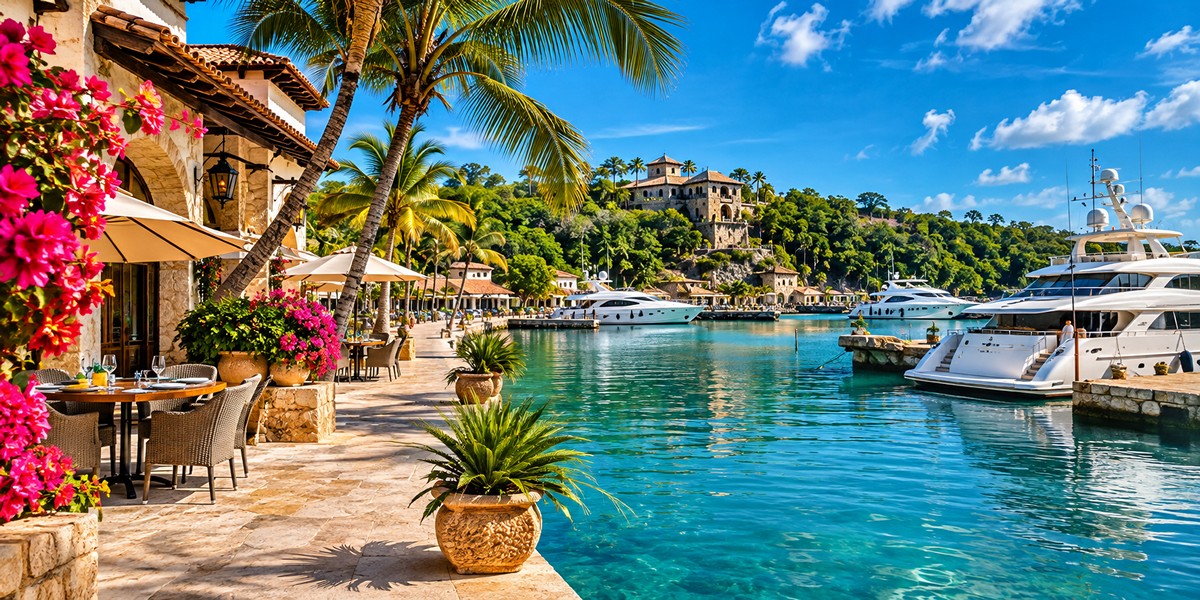
Twenty minutes west of Bayahibe, Casa de Campo Resort & Villas spans 7,000 acres carved from the Central Romana sugar estate in the 1970s. It runs more like a private municipality than a hotel: three Pete Dye golf courses (led by Teeth of the Dog), an equestrian center, a superyacht marina, private Minitas Beach, and internal roads driven by four-seat golf carts.
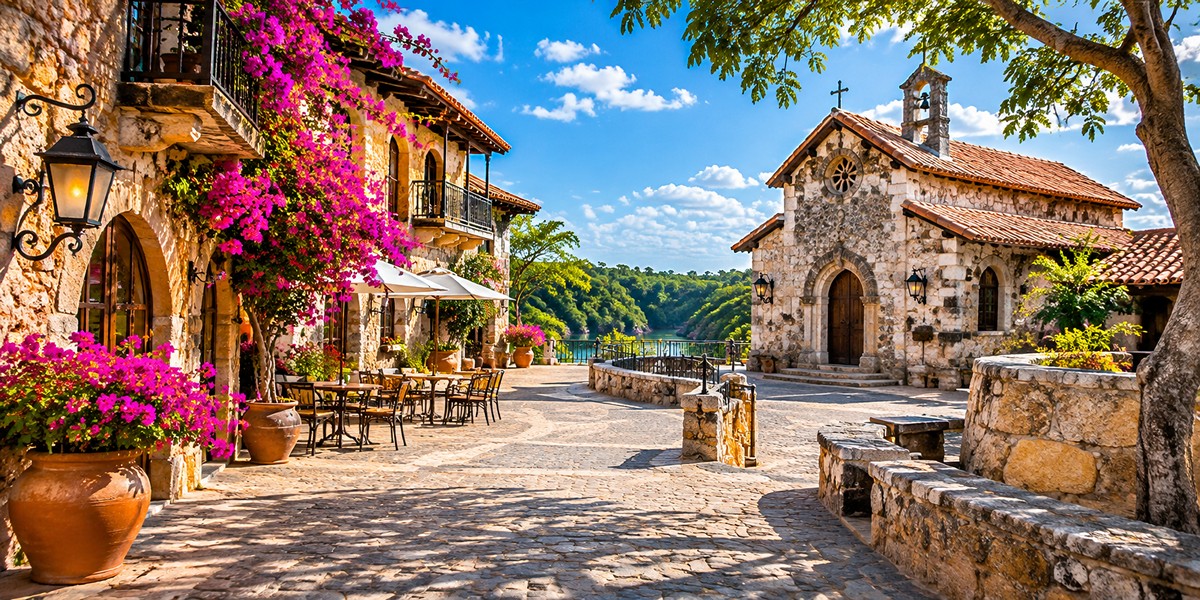
Inside its eastern edge sits Altos de Chavón above the Chavón River. Despite looking like a 16th-century Mediterranean village, construction actually began in 1976 — built from hand-carved coral stone by Dominican architect José Antonio Caro and Paramount set designer Roberto Coppa, with Frank Sinatra opening its 5,000-seat amphitheater in 1982. The sunset gorge views are worth the detour, as long as you plan gate entry ahead of time.
Once cleared on a dining reservation, walking the lanes, St. Stanislaus Church and the amphitheater (outside private events) is free, with the Archaeology Museum around $5. Restaurant visitors cannot use private loungers at Minitas Beach, and even overnight guests sometimes find Minitas smaller than open Playa Dominicus. Comparing Casa de Campo with Punta Cana's gated luxury enclave? See our Cap Cana romantic getaways guide.
Airports (LRM vs PUJ), Real 7-Day Budgets and Hidden Costs
Dominican Republic Ministry of Tourism air-travel guidance points to two very different arrival gateways, and every arriving and departing passenger must also complete the free government Dominican Republic e-Ticket online before boarding:
- La Romana International Airport (LRM) — 10 to 15 minutes from Casa de Campo and 15 to 20 minutes from Bayahibe ($35–$45 taxi). Tiny terminal, quick customs, but sparse commercial routes (seasonal Miami, select Canadian and European charters).
- Punta Cana International Airport (PUJ) — 68 to 70 km away on the smooth Autovía del Este toll highway: 45 to 60 minutes by pre-booked private van, or 75 to 90 minutes in a multi-stop shuttle. High flight volume keeps fares lower; see our Punta Cana airport arrival guide for avoiding terminal taxi markups.
Worked arrival example (2 adults, US East Coast): Nonstop PUJ fares at $440 each ($880) plus a pre-booked private round-trip van ($150 with tolls) total $1,030 and about 2 hours of highway transit. Flying into LRM at $630 each ($1,260) plus taxis ($80) reaches $1,340. PUJ saves $310 — roughly the cost of a small-group Saona day for both travelers. Pick LRM mainly when the fare gap stays under ~$100 per person or you arrive late with small kids.
7-day budget basis (checked November 2026): Totals below model seven winter high-season nights for two adults (December–April, non-holiday) using sampled lodging, private transfer and excursion quotes, excluding international airfare and travel insurance. Off-season May–October totals generally come in 20% to 30% lower.
- Boutique room/aparthotel: $600–$1,050
- Restaurants & cafes: $450–$650
- PUJ round-trip private van: $140–$170
- Saona + 1 dive/snorkel day: $260–$380
- 4–4.5★ beachfront AI: $1,700–$3,300
- PUJ round-trip private van: $140–$170
- Saona or Catalina boat day: $160–$220
- Cash tips & off-resort dinner: $100–$110
- Resort room or entry villa: $3,800–$7,500+
- Dining & marina drinks (EP): $1,100–$1,900
- Golf, spa & resort fees: $400–$950
- LRM or PUJ private transfer: $90–$170
Four local extras regularly catch visitors off guard:
Who Thrives Here (and When to Visit)
Not everyone enjoys a coast this quiet, so match your travel style before checking dates:
Calm water without mega-resort noise
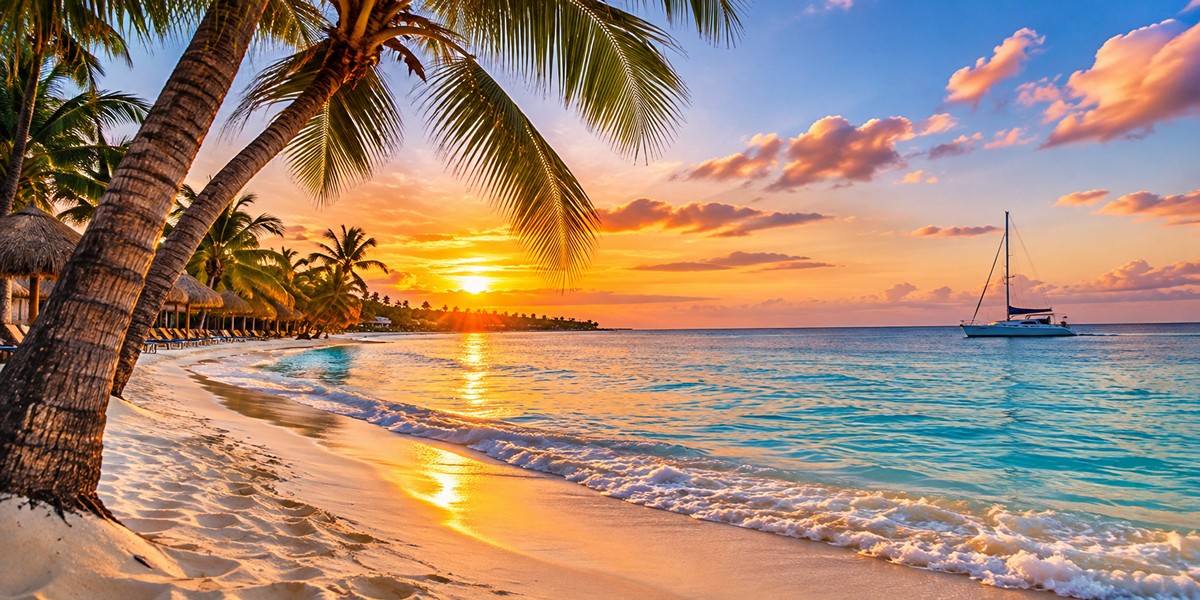
A beachfront resort on Playa Dominicus gives you west-facing sunsets over calm water and an easy walk to Italian cafes after dinner. Bottom line: Hard to beat in the Dominican Republic for relaxed sunset swimming.
Wrecks, walls and early Saona boats
Sleep in Bayahibe Village near the dive shops. Skipping an all-inclusive wristband makes real financial sense when you spend six hours daily on boats and eat fresh fish by the harbor. Why it works: Zero highway commute to the country's top scuba sites.
Easier swimming than Bavaro
A mid-sized family all-inclusive in Dominicus suits toddlers and nervous swimmers far better than winter Atlantic surf, while smaller grounds cut long walks to the sand. The trade-off: Fewer giant water parks than Punta Cana.
Private estate and championship courses
Commit fully to Casa de Campo if golf, marina dining and gated space are the draw. Splitting a multi-bedroom villa with two or three couples cushions dining and golf-cart overhead. Budget tip: Confirm whether villa registration fees are bundled before signing.
When to go: Dry weather runs December through April (low-to-mid 80s°F and clear dive visibility); book Dominicus rooms 6 to 8 weeks ahead since inventory is small. May and early June bring 20% to 30% lower rates. The NOAA National Hurricane Center defines June 1 to November 30 as hurricane season (peaking mid-August–October) — use refundable rates and travel insurance for autumn.
Planning Mistakes That Cause Regret
Reading through recent reviews from travelers who came home disappointed, the same four missteps keep showing up:
Expecting Punta Cana nightlife. Dominicus's lane and Bayahibe's harbor wind down by 10:30 p.m. If clubs and big theater shows drive your trip, stay in Bavaro.
Booking La Romana City for a beach stay. Round-trip taxis ($35–$50/day) to Playa Dominicus erase the nightly hotel savings by day three.
Riding to Altos de Chavón without a reservation. Casa de Campo security strictly enforces dining and tour lists at the gate.
Ignoring pier proximity on the map. Hotels right next to Bayahibe's launch dock trade wide quiet sand for morning boat traffic; check satellite view to confirm Dominicus frontage.
Want mountains, Victorian old-town walks, and active surf towns instead of a quiet harbor? Compare the north in our Puerto Plata and North Coast guide.
On safety, the U.S. Department of State maintains a nationwide Level 2 advisory ("exercise increased caution"), with no separate warning for Bayahibe or La Romana. Dominicus and Bayahibe Village feel relaxed by day; stick to pre-booked highway transfers from PUJ, keep valuables low-key outside resorts, and skip unlit industrial streets in La Romana City at night.
Sources Checked
How this guide was checked: We cross-checked Dominican Republic Ministry of Tourism destination and airport guidance, official La Romana (LRM) and Punta Cana (PUJ) airport portals, the free government e-Ticket site, Casa de Campo visitor and dining policies, Blue Flag coastal standards, Ministry of Environment protected-area guidance, NOAA hurricane climatology, USF satellite sargassum tracking, the U.S. State Department advisory, and November 2026 booking/transfer samples. Sources checked November 19, 2026. Flight schedules, transfer quotes, park fees and gate policies change — confirm current terms before booking.
Frequently Asked Questions
Is Bayahibe better than Punta Cana for a beach vacation?
Bayahibe wins if calm, pool-like water, lighter seaweed odds and direct boats to Saona Island matter most. Punta Cana wins on nonstop flights, 15-to-25-minute airport rides, huge all-inclusive variety and nightlife. Pick Bayahibe for water quality and quiet evenings; stay in Punta Cana for mega-resort scale.
Should I fly into La Romana (LRM) or Punta Cana (PUJ) for Bayahibe?
Check La Romana (LRM) first because it sits 15 to 20 minutes from Bayahibe with fast customs. Most North American travelers still fly into Punta Cana (PUJ) because LRM has very few commercial routes and higher fares. From PUJ, budget 45 to 60 minutes and $130 to $170 round-trip for a private van.
Does Bayahibe get sargassum seaweed?
Far less than Punta Cana, though not zero. Facing south onto the Caribbean Sea behind Saona Island shields Bayahibe and Dominicus from most of the April-to-September Atlantic drift. In heavy years, southeast winds still push light patches ashore, so check recent satellite maps before booking.
Can you visit Altos de Chavón and Casa de Campo without staying there?
Yes, but you cannot buy a casual walk-up day pass at the gate. Casa de Campo is a private 7,000-acre gated community. Independent visitors enter reliably by booking a confirmed restaurant reservation at Altos de Chavón or the Marina ahead of time and showing photo ID for every passenger, or via an authorized tour.
Should I stay in La Romana City, Dominicus or Bayahibe Village?
Pick Dominicus Americanus for beachfront all-inclusive resorts, Bayahibe Village for boutique hotels, dive shops and walkable seafood dinners, or Casa de Campo for luxury villas and golf. Downtown La Romana is a working port city without a resort beach, useful mainly for cruise embarkation or supplies.
Come to Bayahibe and La Romana for calm Caribbean water, not mega-resort spectacle — and pick your exact pocket before comparing hotels.
Most beach-first couples and families should book Dominicus Americanus for Blue Flag swimming and short Saona boats. Divers and independent travelers get stronger value in Bayahibe Village, while Casa de Campo pays off only when private villa life and Pete Dye golf are the point.
If a 50-minute highway transfer from PUJ annoys you or you want lively late-night bars, stay in Punta Cana instead.