
Lumping Aruba, Bonaire, and Curaçao into one mental bucket is the quickest way to book the wrong trip. They sit in a southern arc just north of Venezuela, share Dutch ties and arid air, and look interchangeable on a route map. On the ground, the overlap ends fast.
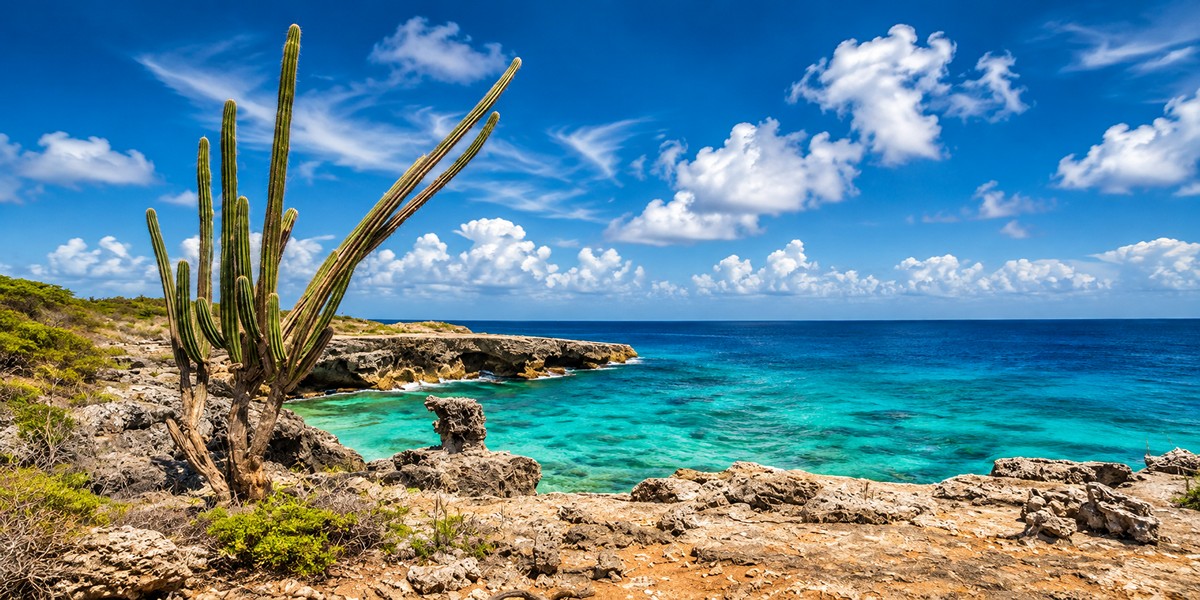
What usually surprises newcomers is the terrain: columnar cacti, volcanic boulders, and wind-bent divi-divi trees replace rainforest peaks and palm jungles. That desert geography is exactly why travelers book here from August through October — dry sun, lower humidity, and a latitude south of the main Atlantic hurricane track.
Yet each island sells a different week: wide resort sand, pastel urban coves, or yellow-stone shore diving. If you are still weighing the ABC trio against Jamaica, the Bahamas, or the Dominican Republic, start with our Caribbean island comparison before narrowing down here.
Quick Answer: Aruba, Curaçao, or Bonaire?
Pick by what your daytime actually looks like, not by which flight costs $50 less.
- Aruba — widest soft white sand, walkable dining, casinos, easiest U.S. flights and preclearance; highest bills and most Americanized feel.
- Curaçao — UNESCO Dutch capital (Willemstad), 35+ beaches including sheltered snorkeling coves, lower hotel rates; needs a rental car to reach the best water.
- Bonaire — 86 official dive sites (54 shore-accessible), zero traffic lights, quiet nights; almost no wide sandy resort beaches.
- Bottom line: Aruba for effortless sand, Curaçao for culture plus coves, Bonaire when underwater time runs the schedule.
ABC Islands Side-by-Side Decision Matrix
Rates below reflect November 2026 observations for 4-star European Plan (room-only) stays for two adults during January–April peak weeks, excluding flights. Summer and fall rates drop roughly 20–30% on Aruba and Curaçao, while Bonaire dive lodges stay steadier.
| Factor | Aruba | Curaçao | Bonaire |
|---|---|---|---|
| Beaches | Best sand Wide powdery strips (Eagle & Palm). |
35+ beaches Mostly rocky pocket coves; narrow sand. |
Minimal sand Coral rubble & rocky ledges. |
| Diving & reef | Boat wrecks Antilla wreck; modest shore reef. |
Strong coves Healthy west reefs off beach. |
World-class 86 official sites (54 shore) & Klein Bonaire. |
| Vibe | Polished, U.S.-familiar, casinos. | Dutch-Caribbean city & dining. | Quiet dive town; early nights. |
| Car rental | Optional on beach strip. | Essential West coves 45–60 min away. |
Essential Pickup truck for dive gear. |
| Room rate / night | $300–$550+ (pre ~25–30% taxes/fees) | $190–$340 | $170–$320 |
| Typical spend / day | $480–$780 (2 adults, EP) | $330–$540 (2 adults + car) | $340–$580 (2 adults + truck/diving) |
| Sargassum & storms | Very low (leeward west) | Very low (SW coves) | Very low (leeward west) |
| Avoid if | You dislike chains or high resort prices. | You will not drive abroad. | You want wide lounge-chair sand. |
Aruba: Wide Sand, Direct Flights and Americanized Ease
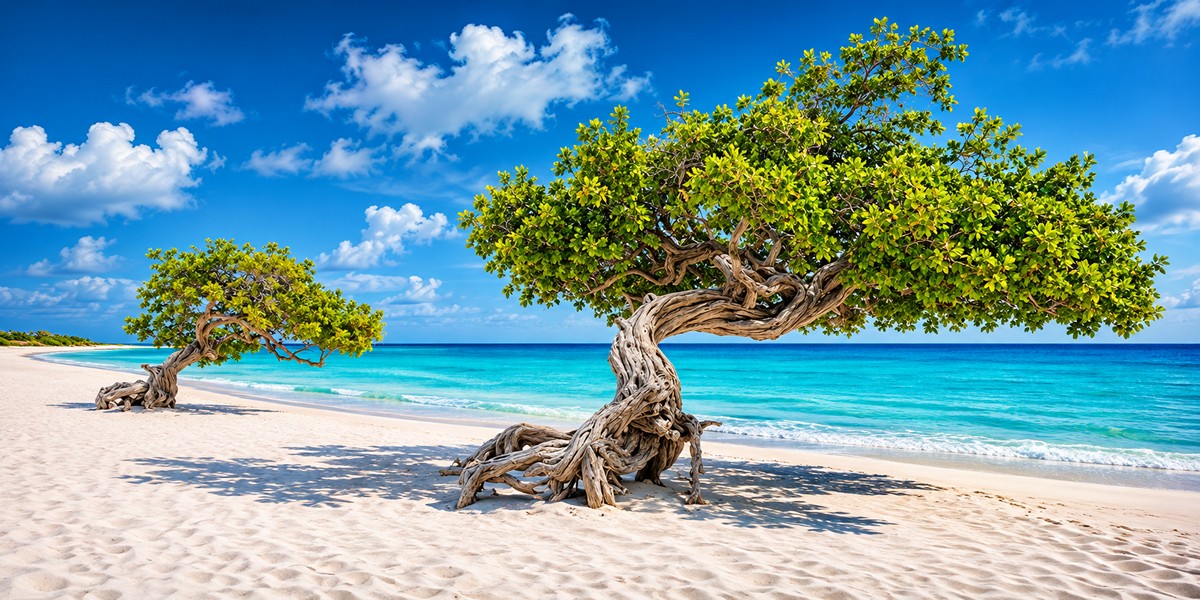
Aruba removes almost every logistical wrinkle. From Queen Beatrix International Airport (AUA), a 15-to-25-minute ride puts you on calm, wide sand that never vanishes at high tide. The west coast divides cleanly: Eagle Beach pairs low-rise stays with broad open sand and iconic fofoti trees, while Palm Beach packs high-rise resorts, casinos, walkable dining, and dense palapa rows where front-row shade disappears before 7:30am in winter.
Two quirks surprise first-timers in a good way. Desalinated tap water from WEB Aruba meets WHO drinking standards straight from the sink — pack a refillable bottle instead of buying $6 resort water. On departure, AUA runs full U.S. CBP Preclearance, so U.S.-bound passengers land domestically; arrive three hours ahead on weekend afternoons when dual security backs up.
The trade-off is blunt: Aruba feels far more Americanized than Curaçao or Bonaire, with chain steakhouses, busy cruise mornings in Oranjestad, and resort bills inflated by steep taxes. Arikok National Park offers raw east-coast cliffs and surf, yet the hotel strip itself is pure resort convenience.
Curaçao: Pastel Architecture, 35+ Beaches and Mandatory Wheels
Curaçao suits travelers who get restless after two days on a lounger. Its capital, Willemstad, gained UNESCO World Heritage status in 1997 for its pastel 18th-century Dutch merchant buildings along Handelskade across Punda and Otrobanda, joined by the swinging Queen Emma pontoon bridge. Nearby Pietermaai turns restored townhouses into boutique stays, open-air bistros, and jazz bars that feel like a lived-in city.
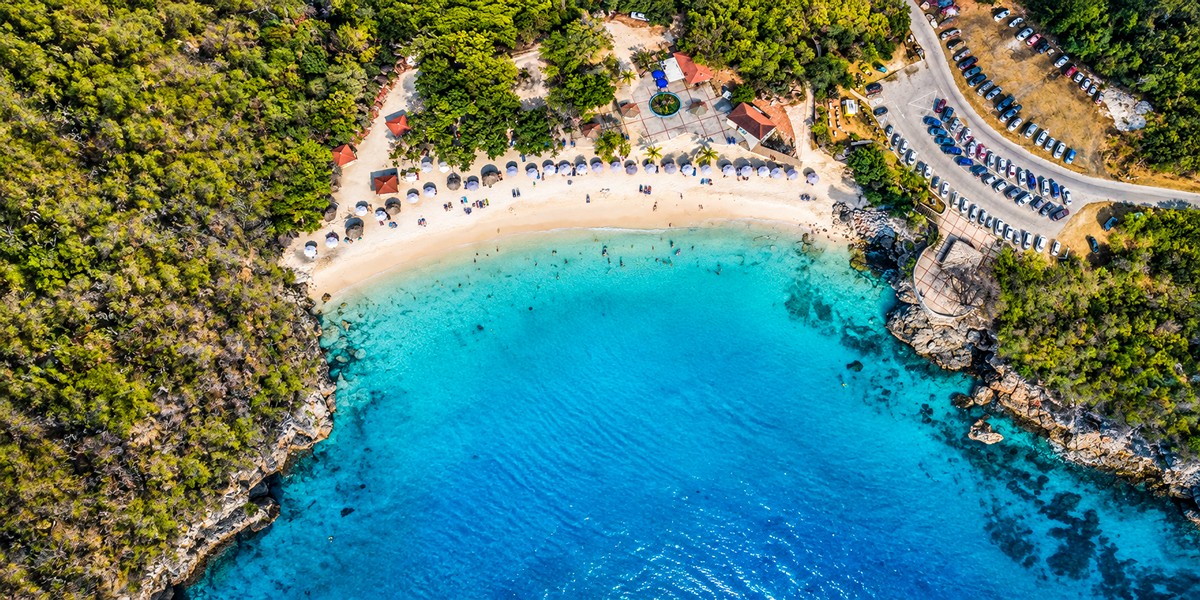
Geography drives every morning here. Most hotels sit near Willemstad, Jan Thiel, or commercial Mambo Beach, while the clearest water among Curaçao's 35+ beaches — including sheltered snorkeling coves like Grote Knip, Klein Knip, Cas Abao, Playa PortoMari, and Playa Lagun — lies 45 to 60 minutes northwest toward Bandabou. Ten yards off the limestone cliffs you hit coral walls and sea turtles without booking a boat.
Skipping a rental car is the fastest way to misread Curaçao: staying taxi-bound strands you on crowded east-side sand or burns $90+ per round trip west. Driving is straightforward on the right, though managed beaches like Cas Abao and PortoMari charge $5–$10 for entry or loungers. Currency also changed recently: Curaçao replaced the old Netherlands Antillean guilder with the Caribbean guilder (XCG) on March 31, 2025, pegged at 1 USD = 1.79 XCG per the Central Bank of Curaçao and Sint Maarten (CBCS). U.S. dollars still work widely in tourist areas, with change often returned in XCG.
Bonaire: Shore Diving, Protected Reefs and Quiet Nights
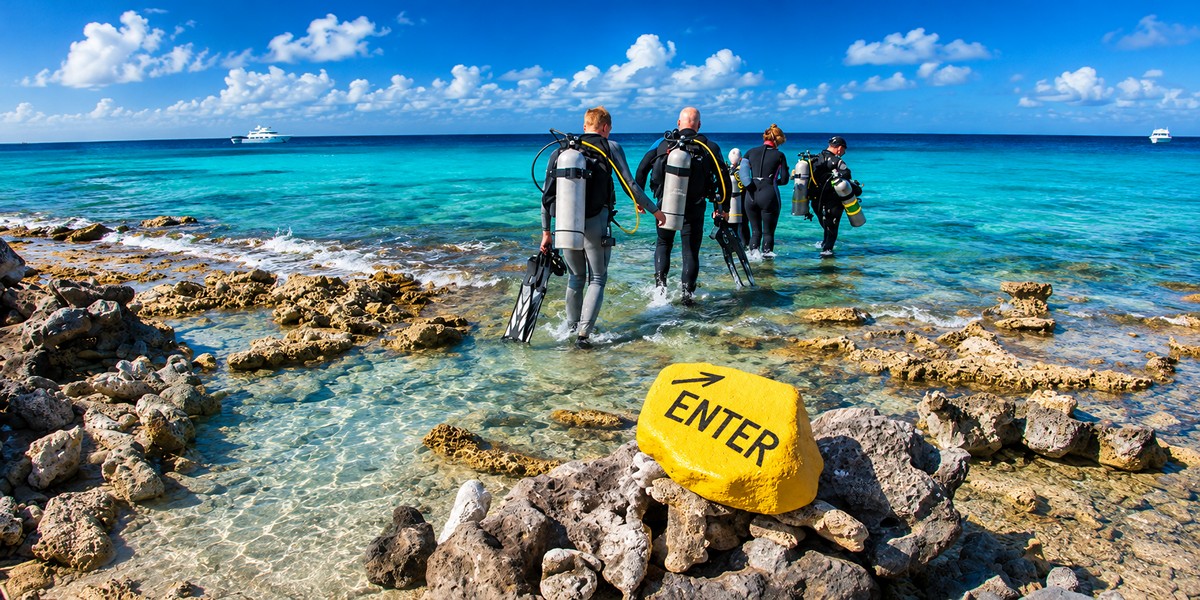
Bonaire runs on conservation rather than resort scale: zero high-rises, zero casinos, and not one traffic light on the island. Its entire surrounding coastline sits inside the Bonaire National Marine Park, overseen by STINAPA Bonaire. Divers rent a double-cab pickup, grab unlimited air or nitrox tanks at drive-through fill stations, pull up beside yellow-painted roadside stones marking 54 shore-accessible entries among 86 official dive sites, and wade straight onto a reef drop-off.
Snorkelers get the same payoff without scuba gear: calm leeward entries like 1000 Steps, Andrea I, Bari Reef, and uninhabited Klein Bonaire (a 15-minute water taxi from Kralendijk) put healthy coral yards from shore. Across the island, shallow Lac Bay and Atlantis Beach draw windsurfers and kiters to steady trade winds. Kralendijk delivers surprisingly good waterfront bistros, though evenings wind down by 9:30pm because half the town rises at dawn for tank fills.
Desert Climate, Trade Winds and the Hurricane-Belt Reality
At ~12°N latitude, daytime highs stay between 84°F and 90°F (29°C–32°C) year-round, with just 16 to 20 inches of annual rain — under a third of lush islands like Saint Lucia. The brief wetter window runs October–December, mostly as quick dawn showers.
Steady 15-to-20-knot northeast trade winds (strongest February–July, lightest September–October) cool the desert sun while whipping dry sand across Eagle Beach and blowing loose hats off chairs. Because resort beaches and dive sites face west or southwest, Atlantic sargassum hits far less often here than on east-facing beaches in Cancun or Punta Cana.
One caveat: sitting south of the main NOAA National Hurricane Center corridor yields the lowest direct-hit odds in the basin during the June 1–November 30 season, not a 0% force field. Passing tropical waves can still bring squalls and murky water for 24–48 hours, so keep refundable rates in autumn.
Entry Fees, Local Currencies and Real 2026 Costs
All three islands belong to the Kingdom of the Netherlands, yet each operates its own entry portal, tax rules, mobile networks, and currency. Skip paid third-party agency websites and use only the official links below. Combining Aruba and Curaçao on one trip? Check multi-island coverage in our Caribbean regional eSIM guide so you avoid paying separate roaming fees.
Aruba: ED Card + $20 Sustainability Fee
- Portal: Complete the online ED Card within 7 days of departure at edcardaruba.aw.
- Fee: $20 USD Sustainability Fee per air arrival processed through the ED Card (children under 8 and repeat visitors within 1 year are exempt; cruise visitors are exempt only when their itinerary does not require filing an ED Card).
- Currency: Aruban florin (AWG, ~1.79–1.80 per USD); USD accepted everywhere.
Curaçao: Free Digital Immigration Card + XCG
- Portal: Submit the Digital Immigration Card prior to flying at dicardcuracao.com (100% free).
- Fee: $0 government arrival fee (airport taxes are bundled into airfare).
- Currency: Caribbean guilder (XCG, launched March 31, 2025, fixed at 1 USD = 1.79 XCG); cards and USD work widely.
Bonaire: $75 Entry Tax + $40 STINAPA Fee
- Entry tax: $75 USD for ages 13+ ($10 for 12 and under) within 7 days of travel at tourismtax.bonairegov.com; QR code stays valid 30 days for multiple entries.
- Marine park fee: $40 USD per person STINAPA Nature Fee (valid 1 calendar year; covers diving, snorkeling, swimming, and Washington Slagbaai National Park; ages 12 and under exempt).
- Currency: Official currency is USD — zero exchange math.
Four recurring add-ons catch travelers off guard once the final folio prints:
Worked 7-night budget (two adults, peak winter 2026, before flights): On Aruba (Palm/Eagle, EP), $490/night post-tax ($3,430) + $40 ED fees + $1,260 food/drinks ($180/day) + $180 taxis/short rental = ~$4,910. On Curaçao (boutique EP), $245/night post-tax ($1,715) + $420 compact car/fuel + $1,050 meals + $140 cove fees = ~$3,325. On Bonaire (dive condo EP), $235/night ($1,645) + $230 entry/STINAPA fees + $560 pickup/fuel + $980 food + $420 two unlimited tank packages = ~$3,835. Driving on Curaçao saves roughly $1,500 a week over Aruba for comparable comfort.
Which Island Fits Your Trip (and Multi-Island Hops)
Match your real travel rhythm to one of these four lanes before chasing flight sales.
Reliable sand in Sep–Nov
→ Pick Aruba's Eagle Beach for wide calm sand, or Curaçao's southwest coast for softer rates. Key advantage: leeward beaches stay dry and clean during northern storm peak.
City dinners plus snorkeling
→ Base in Curaçao's Pietermaai or Jan Thiel and drive west three mornings. Why it clicks: Willemstad delivers neighborhood food and architecture resort strips cannot copy.
Shore diving above pool bars
→ Book Bonaire with a pickup and unlimited air/nitrox tanks. Real trade-off: you swap wide sand and nightlife for reef drop-offs steps from the road.
Combining two ABC islands
→ Pair Curaçao + Bonaire (25-minute flight, sharpest contrast) or Aruba + Curaçao open-jaw. Routing rule: skip squeezing all three into seven days.
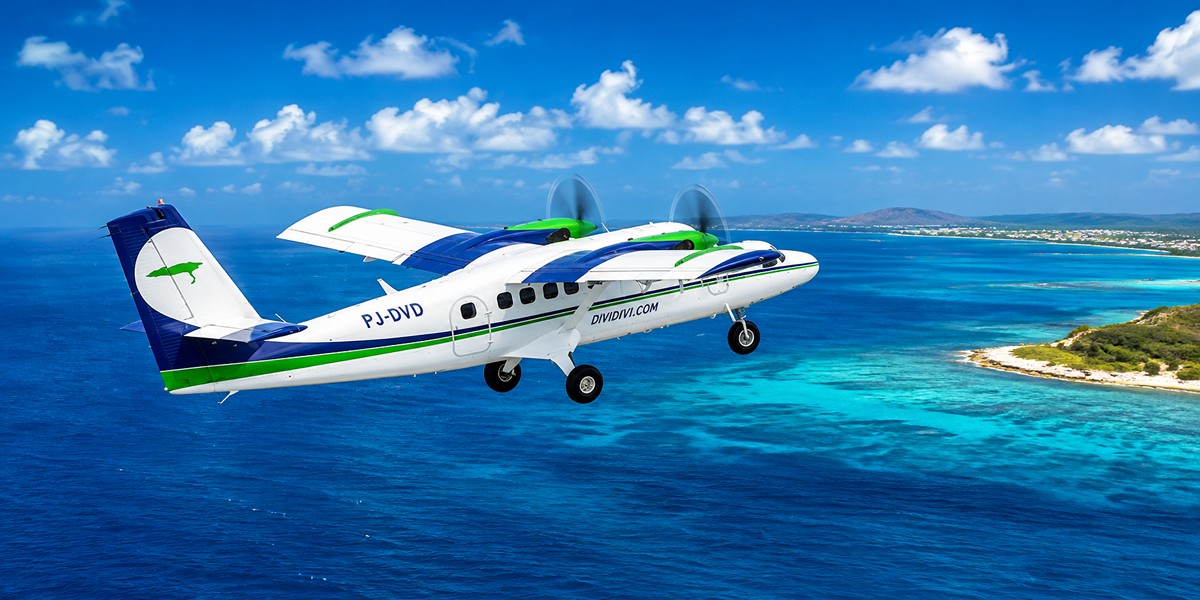
With zero passenger ferries linking the trio, multi-island trips run on 25-to-45-minute flights via Divi Divi Air and Winair, mostly on 19-seat Twin Otters without overhead bins. Standard Divi Divi fares allow one 18 kg (39 lb) checked bag (hard 23 kg cap), while Winair Saver excludes checked bags. For regional routing and baggage rules across the wider basin, read our Caribbean island hopping guide.
Pre-Booking Checklist and Common ABC Mistakes
The U.S. Department of State rates Aruba, Bonaire, and Curaçao at Level 1 (Exercise Normal Precautions) — the safest Caribbean tier. Most frustrations come down to five preventable logistics errors.
Before You Lock In Your ABC Trip
Confirm these five items 4–6 weeks ahead, especially for December–April peak weeks.
edcardaruba.aw ($20), dicardcuracao.com (free), or tourismtax.bonairegov.com ($75).
Expecting lush rainforest scenery. The ABC islands are arid cactus desert framed by bright turquoise water, not tropical jungle hills.
Skipping a car on Curaçao. Airport transfers plus two west-coast taxis nearly match a four-day rental while locking you out of the best coves.
Booking Bonaire for beach lounging. Without diving, snorkeling, or wind sports on your plan, rocky entries and quiet nights feel tight by day three.
Cutting Aruba airport timing close. Exit control, U.S. CBP Preclearance, and dual security checkpoints regularly take 2+ hours on weekends; arrive three hours ahead.
Sources Checked
How this guide was checked: We verified arrival portals, lodging and entry taxes, STINAPA marine fees, XCG currency rules, drinking-water standards, U.S. CBP preclearance, hurricane patterns, regional airline baggage policies, and safety tiers directly against official government, central bank, tourism board, park, and airline pages. Sources checked November 21, 2026; verify current fees and baggage rules before booking.
Frequently Asked Questions
Which ABC island is best for a first-time Caribbean trip?
Aruba is the easiest first-timer choice for wide powdery beaches, walkable restaurants, direct U.S. flights, and U.S. CBP preclearance on departure. Pick Curaçao instead if you want Dutch-Caribbean architecture, a real capital city, and sheltered snorkeling coves and are willing to rent a car. Reserve Bonaire for trips centered on shore diving, snorkeling, or quiet low-rise nights.
Is Aruba or Curaçao better for beaches and value?
Aruba wins on wide white sand and walk-out resort convenience along Eagle Beach and Palm Beach. Curaçao usually wins on value and variety: hotels and meals often run 15-25% below comparable Palm Beach rates, and its 35-plus beaches include sheltered western coves with better snorkeling straight off shore once you rent a car.
Are the ABC islands safe from hurricanes in September and October?
Sitting near 12 degrees north latitude puts them south of the main Atlantic hurricane track, so direct strikes are historically rare. Low risk is not zero risk, however: passing tropical waves and distant storms can still bring brief rain squalls, gusty winds, and choppy water during the June 1 to November 30 season. They are the smartest autumn bet in the Caribbean, not a weather guarantee.
Is all-inclusive worth the money on Aruba, Curaçao, or Bonaire?
Usually no, especially on Aruba and Bonaire. Safe streets, drinkable tap water, and strong independent restaurants sit right outside most hotels. All-inclusive upgrades here carry steep nightly premiums for narrower menus, so eating out even three nights means paying twice for dinner. Room-only or breakfast-included rates stretch budgets further.
Can you take a ferry between Aruba, Curaçao, and Bonaire?
No regular passenger ferry connects Aruba, Curaçao, and Bonaire because open-water trade-wind swells make crossings rough and slow. Moving between them requires 25 to 45 minute regional flights on carriers like Divi Divi Air or Winair, whose small aircraft enforce strict baggage limits (18 kg checked on standard Divi Divi fares and tiny cabin allowances).
Stop shopping the ABC islands as one destination — pick the daily rhythm you want to pay for.
Choose Aruba if effortless wide white sand, walkable dining, and smooth U.S. flights outweigh higher prices. Choose Curaçao for European-Caribbean city character, 35+ beaches including sheltered snorkeling coves, and stronger value with a rental car. Choose Bonaire when shore diving and quiet conservation calm are the entire reason you booked — and skip all three if lush rainforest mountains or mega all-inclusive deals are what you actually want.